


 June 3, 2026 3:51 am
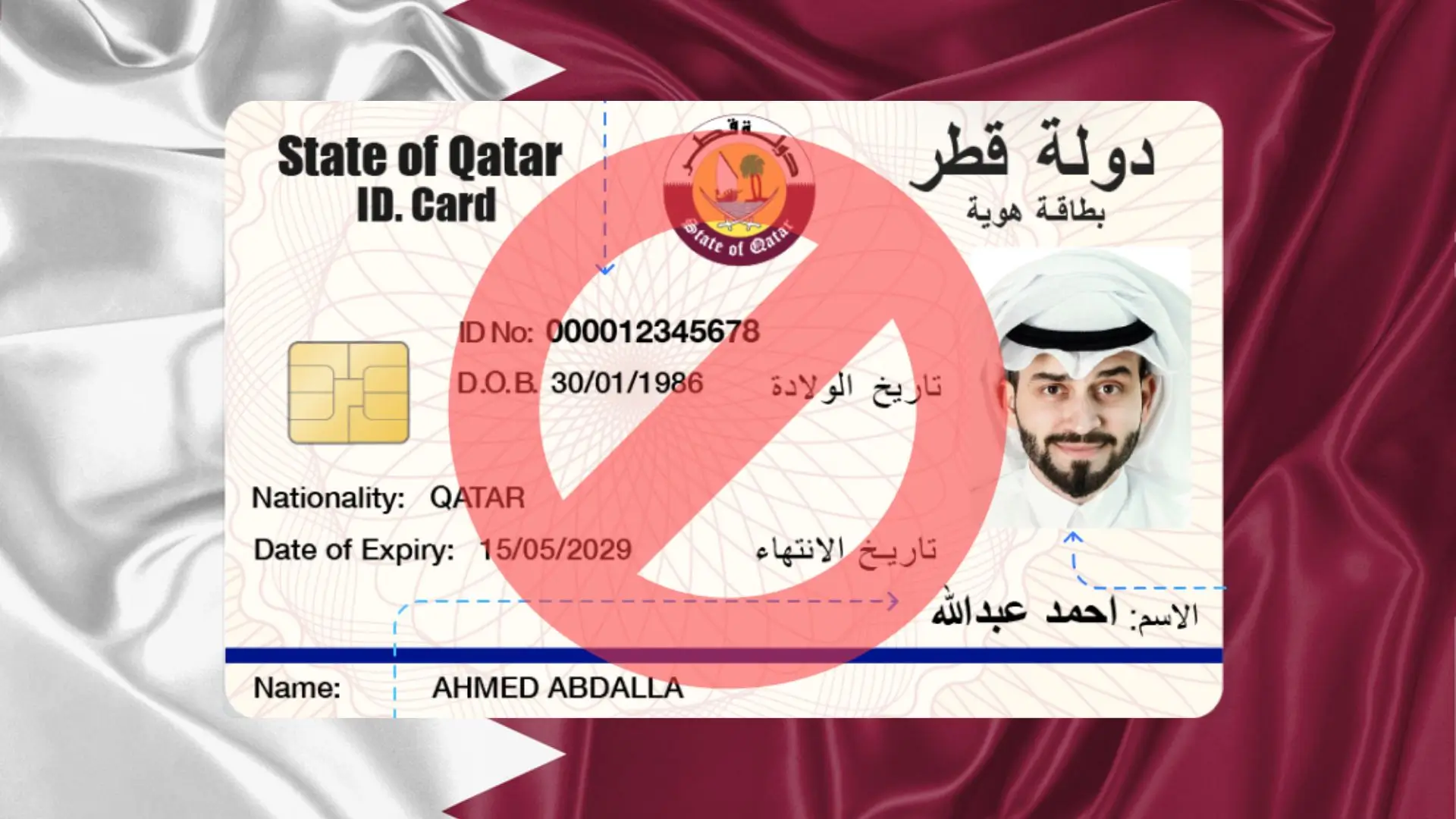
Qatar ID Ban is a serious legal restriction that affects thousands of residents and expatriates in Qatar every year. If your Qatar ID is banned, you cannot renew your residency, change jobs, or even leave the country without facing legal consequences.
This comprehensive guide breaks down everything you need to know about Qatar ID bans, from understanding why they happen to actionable steps for resolution. Whether you’re an expat worker, a business owner, or a sponsor, this article will help you navigate this complex issue with confidence.
What Is a Qatar ID Ban?
A Qatar ID Ban is a legal restriction placed on an individual’s residency permit (Qatar ID) that prevents them from obtaining new employment, renewing their residency, or leaving and re-entering Qatar freely. This ban is typically imposed by employers or sponsors and is regulated by Qatar’s Ministry of Interior and Ministry of Labour.
The ban system exists to protect employers’ investments in hiring foreign workers, but it has been subject to reform in recent years following international pressure and Qatar’s commitment to improving labor rights ahead of major events.
Types of Qatar ID Bans
Understanding the different types of bans is essential for navigating your legal status in Qatar.
| Ban Type | Duration | Who Issues It | Can Be Lifted? |
|---|---|---|---|
| Standard Employment Ban | 1 year | Employer/Sponsor | Yes, with NOC |
| Ministry of Interior Ban | 2–5 years | MOI | Difficult |
| Legal Case Ban | Until resolved | Courts | After case closure |
| Financial Dispute Ban | Until settlement | Courts/Banks | After payment |
| Security Ban | Permanent | Security agencies | Rarely |
Standard Employment Ban
Issued when an employee resigns or is terminated before completing their contract period. Under Qatar’s Labour Law No. 21 of 2015, this ban typically lasts one year but can be waived with a No Objection Certificate (NOC).
Ministry of Interior Ban
More serious than employment bans, these are issued for visa violations, overstaying, or other immigration infractions.
Legal Case Ban
If you’re involved in a civil or criminal case, authorities may place a ban preventing you from leaving Qatar until the matter is resolved.
Common Causes of Qatar ID Ban
Employment-Related Reasons
- Breaking employment contract before completion
- Absconding from work without proper resignation
- Not serving notice period as per contract terms
- Employer refusal to provide NOC after resignation
Legal and Financial Reasons
- Outstanding loans or debts with Qatari banks
- Bounced checks leading to criminal charges
- Traffic violations with unpaid fines
- Legal disputes with companies or individuals
Immigration Violations
- Visa overstaying beyond grace period
- Working illegally for another employer
- Document fraud or providing false information
- Security concerns flagged by authorities
Expert Tip: According to Qatar’s Ministry of Labour, over 60% of employment bans can be resolved through proper communication between employee and employer.
How to Check If You Have a Qatar ID Ban
Method 1: Metrash App (Official)
- Download Metrash app from App Store or Google Play.
- Register using your Qatar ID number and personal details
- Navigate to “Inquiries” section
- Select “Exit Permit Status” or “Residence Services.”
- Your ban status will be displayed clearly
Method 2: Ministry of Interior Website
- Visit Qatar’s MOI Portal.
- Click on “Services” > “Inquiry Services.”
- Enter your Qatar ID number.
- Submit to view your current status.
Method 3: Hukoomi Portal
- Access Hukoomi Government Services
- Use the “Check Your Status” feature
- Enter required credentials
- Review your residency and ban status
Method 4: Visit Immigration Office
For the most accurate information, visit the General Directorate of Passports at:
- Airport Immigration Office
- Al Gharafa Immigration Office
Read Also: MOI Qatar ID Check
Important: Always verify through official channels. Avoid third-party services that charge excessive fees.
Step-by-Step Guide to Remove a Qatar ID Ban
Step 1: Identify the Ban Type
Use the methods above to determine who issued your ban and why.
Step 2: Contact Your Sponsor/Employer
- Request a meeting to discuss the ban
- Bring all relevant documents (contract, resignation letter, ID copies)
- Negotiate professionally for an NOC or ban removal
Step 3: Legal Consultation
If your employer refuses to cooperate:
- Consult with Qatar’s Labour Dispute Settlement Department
- Hire a licensed attorney specializing in labor law
- File a formal complaint if rights were violated
Step 4: Financial Settlement
For debt-related bans:
- Contact your bank to negotiate payment plans
- Settle all outstanding amounts with documentation
- Request ban lift confirmation in writing
Step 5: Submit Official Request
- Prepare a formal request for ban removal
- Submit through your sponsor to Ministry of Interior
- Include supporting documents (NOC, settlement receipts, court orders)
Step 6: Follow Up
- Processing typically takes 7-14 working days
- Check status regularly through Metrash
- Keep all communication documented
Processing Time: Standard ban removals take 1-2 weeks, but complex cases can take 1-3 months.
Rights and Responsibilities | Employees vs. Sponsors
Employee Rights Under Qatar Law
- Right to fair treatment and contract compliance
- Protection against arbitrary dismissal
- Access to labor dispute resolution
- Right to final settlement upon contract end
- Protection under Law No. 21 of 2015 (Kafala reform)
Sponsor Responsibilities
- Provide timely salary payments
- Honor contract terms
- Issue NOC for workers completing contracts
- Not impose unjustified bans
- Facilitate proper exit procedures
Recent Reforms
In 2020, Qatar eliminated the exit permit requirement for most workers, allowing them to leave the country without sponsor approval. Additionally, workers can now change jobs without NOC after completing their contract or with three months’ notice.
Common Mistakes to Avoid
Leaving Without Proper Exit Permit
Even with recent reforms, certain categories of workers still need exit permits. Leaving illegally results in automatic bans.
Not Reading Employment Contract Carefully
Many ban issues arise from contract misunderstandings. Always read the termination clause before signing.
Failing to Serve Notice Period
Leaving without completing your notice period (usually 1-2 months) gives employers grounds to impose bans.
Ignoring Financial Obligations
Unpaid debts, loans, or bounced checks can lead to severe legal consequences and long-term bans.
Using Unlicensed Agents
Only work with authorized legal consultants or labor offices to avoid scams.
Not Keeping Documentation
Always maintain copies of:
- Employment contract
- Salary certificates
- Resignation letters
- Communication with employer
Benefits and Drawbacks of the Qatar ID System
Benefits
- Structured employment: Clear legal framework for workers and employers
- Protection for employers: Safeguards investment in recruiting foreign talent
- Tracking system: Easy verification of legal status through digital platforms
- Recent reforms: Improved worker mobility and reduced exploitation
Drawback
- Limited job mobility: Bans restrict career opportunities
- Power imbalance: Employers have significant control over workers
- Complex resolution: Removing bans can be time-consuming
- Financial pressure: Debts can trap workers in difficult situations
Frequently Asked Questions (FAQs)
Q 1: How long does a Qatar ID Ban last?
Standard employment bans last 1 year from the date your residence permit is cancelled. Ministry bans can last 2-5 years, while legal case bans remain until cases are resolved.
Q 2: Can I work in another GCC country with a Qatar ID Ban?
Yes. A Qatar ID Ban only affects your status in Qatar. You can apply for employment in other GCC countries, though some employers may inquire about your previous work history.
Q 3: What is an NOC and how do I get one?
A No Objection Certificate (NOC) is a document from your sponsor allowing you to work for another employer or waiving the employment ban. Request it formally in writing and negotiate terms with your current employer.
Q 4: Can a Qatar ID Ban affect my family’s residency?
Yes. If you’re the primary sponsor, your ban may affect your family’s ability to renew their residency permits. Resolve your ban status before renewals are due.
Q 5: Are there legal aid services for banned workers?
Yes. Contact the Labour Dispute Settlement Department or organizations like the Qatar Foundation for Social Work for assistance.
Conclusion
A Qatar ID Ban can significantly disrupt your career and personal life, but understanding your rights and available options empowers you to resolve it effectively. Whether you’re facing an employment ban, legal restriction, or financial dispute, taking immediate action is crucial.
Sheikh Khalifa bin Hamad
I am Sheikh Khalifa bin Hamad, the writer behind https://qataridcheck.com/. I share simple guides about Qatar ID services, residency updates, and government procedures. My goal is to help residents easily check QID status, renewals, fines, and official information online.
